
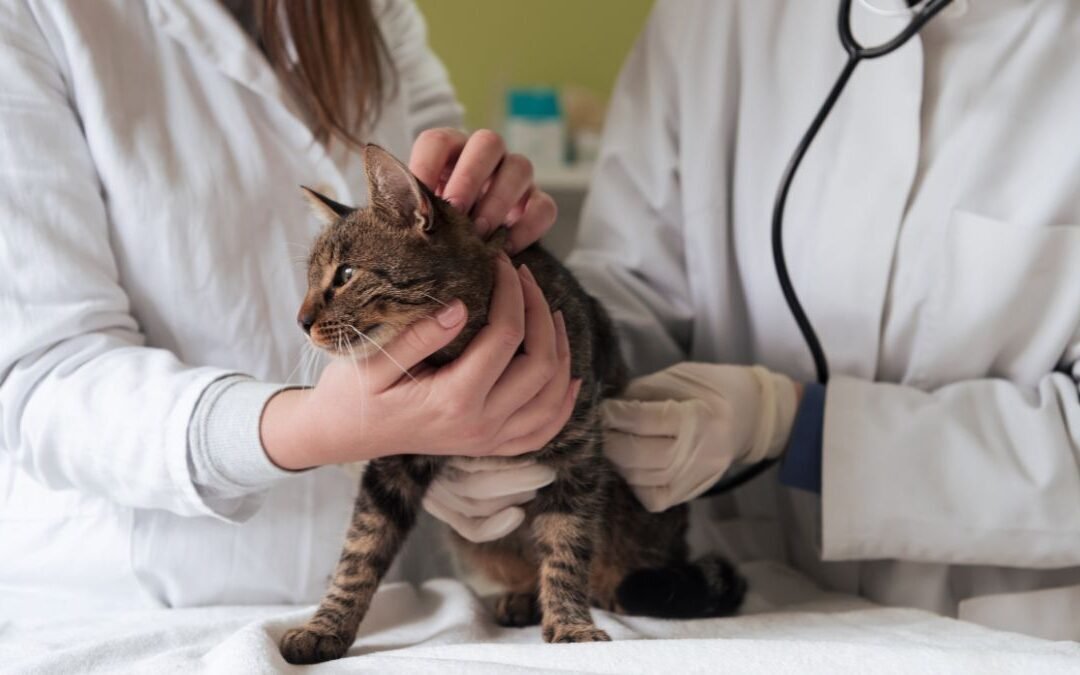
Every cat owner treasures the joy of soft purrs, playful paw swipes, and the quiet comfort of a feline curled up beside them. What many don’t realize—until faced with an emergency—is the financial responsibility that comes with keeping a cat healthy. Veterinary medicine has advanced rapidly, offering treatments once reserved for humans, but those breakthroughs come with a price. That’s where the importance of cat insurance becomes clear. For many families, it’s not a luxury—it’s a lifeline.
Why Cat Insurance Exists
Unlike human healthcare, where insurance is built into the system, veterinary care is almost entirely out-of-pocket. A sudden accident or illness can mean thousands of dollars in unexpected bills. Emergency surgery, diagnostic imaging, or long-term treatment for chronic conditions can quickly spiral into four- or five-figure expenses. Pet insurance for cats helps soften that blow. By paying a predictable monthly premium, you receive reimbursement for eligible vet costs, making it possible to say “yes” to treatment without hesitation or financial panic clouding your judgment.
The Hidden Costs of Cat Ownership
Most people budget for food, litter, and annual checkups. But the real financial strain often comes from the unexpected. Consider these average costs:
- Broken bone surgery: $2,500–$5,000
- Emergency vet visits: $800–$2,000
- Chronic conditions like diabetes: $1,200+ per year
- Cancer treatment: $5,000–$10,000 or more
Without insurance, these bills land squarely on your shoulders. For some families, that means delaying care—or worse, making heartbreaking decisions about whether treatment is even possible.
How Cat Insurance Works in Real Life
Imagine this: your cat swallows a piece of string. You rush to the emergency clinic, where stabilization, testing, and overnight care add up to $3,000. With insurance, here’s how it plays out:
- Deductible: $250
- Reimbursement rate: 80%
You’re reimbursed $2,200, leaving you with just $800 to pay. That’s the importance of cat insurance in action—turning a financial crisis into a manageable expense.
The Emotional Relief of Being Covered
Money aside, there’s another layer of value: peace of mind. When your cat is sick or injured, the last thing you want is to weigh treatment options against your bank account. Insurance removes that hesitation. You can focus on your cat’s recovery, not your credit card balance. That emotional security is often overlooked, but it’s one of the most powerful benefits of coverage.
Cat Insurance and Preventive Care
Not all policies include wellness coverage, but many offer add-ons for preventive care. These can cover:
- Vaccinations
- Annual checkups
- Flea, tick, and parasite prevention
- Dental cleanings
Preventive care catches problems early, often saving money—and heartache—down the road. Insurance makes it easier to stay consistent with these essentials, ensuring your cat stays healthier for longer.
The Importance of Early Enrollment
Timing matters. The younger and healthier your cat is when you enroll, the better your policy terms will be. Early enrollment usually means:
- Lower monthly premiums
- Fewer exclusions for pre-existing conditions
- Coverage that grows with your cat through every stage of life
Wait until your cat is already sick or injured, and you may face exclusions—or outright denial of coverage. Acting early protects your cat’s future care options.
Insurance as a Lifeline for Chronic Conditions
Some illnesses aren’t one-time events. Allergies, arthritis, diabetes, kidney disease—these require lifelong management. That means regular blood tests, prescription medications, and sometimes specialist visits. Without insurance, the costs can be overwhelming. With it, you can maintain consistent care, giving your cat the best possible quality of life.
Removing Financial Guilt from Care Decisions
Veterinarians often say cost is the number one reason owners delay or decline treatment. Cat insurance removes that barrier. Instead of waiting to save money or postponing a procedure, you can act immediately. And in many cases, early intervention is the difference between recovery and permanent damage—or worse.
Cat Insurance as a Planning Tool
We insure our homes, our cars, and our own health. Why not our cats? Insurance allows you to:
- Budget with predictable monthly costs
- Avoid devastating surprise expenses
- Plan long-term care with fewer unknowns
It shifts you from reactive to proactive pet ownership. That’s better for your wallet—and for your cat’s wellbeing.
Choosing the Right Policy
Having insurance is important, but choosing the right policy is just as critical. When comparing providers, ask:
- What’s covered, and what’s excluded?
- Are hereditary and chronic conditions included?
- How do premiums change at renewal?
- Is there an annual or lifetime cap?
The importance of cat insurance is only matched by the importance of knowing exactly what you’re buying. Read the fine print, compare providers, and don’t be afraid to ask questions.
Being Prepared for the Unexpected
You may never need to file a major claim. But if you do, you’ll be grateful you’re covered. Whether it’s a midnight ER visit, a sudden diagnosis, or a chronic condition that requires years of care, insurance ensures your focus stays where it belongs: on your cat’s health—not on your bank account.
The importance of pet insurance for cats isn’t just about saving money. It’s about protecting your ability to provide care without compromise, planning for the unknown, and giving your feline companion the best chance at a long, healthy life. That’s a kind of security no one regrets investing in.
Want to learn more? Visit our Cat Insurance FAQ for answers to common questions and guidance on choosing the right plan for your cat.